






Tag: smart appliances

  • The Rise of Smart Appliances
    The Rise of Smart Appliances

    Introduction to Smart Appliances

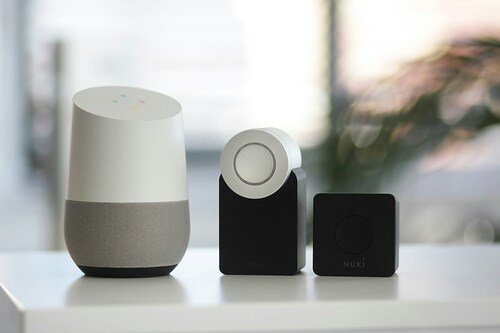
    Smart appliances represent a significant evolution in home technology, serving to enhance convenience, efficiency, and the overall user experience. These devices incorporate advanced technology, allowing them to connect to the internet and interact with other smart devices, providing unique functionalities that traditional appliances cannot offer. Unlike standard home appliances which operate independently, smart appliances are designed to communicate with users and their environment, offering tailored solutions to everyday tasks.

    At the core of smart appliances lies robust connectivity features. Most devices utilize Wi-Fi technology to keep communication channels open, enabling remote monitoring and control through smartphones or smart home hubs. This connectivity allows users to access various settings, receive alerts, and even troubleshoot issues without needing to be physically present. Furthermore, many smart appliances are equipped with sensors that enhance their operational capabilities, such as temperature sensors in smart ovens or moisture sensors in smart washing machines. These systems provide real-time data, improving energy efficiency and performance.

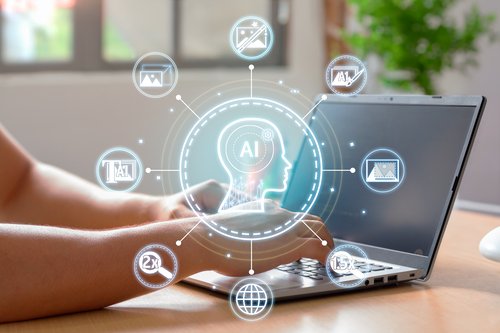
    A distinguishing factor of smart appliances is their incorporation of artificial intelligence (AI). This technology allows devices to learn user preferences and adapt their functionalities accordingly, leading to more personalized experiences. For instance, a smart refrigerator may track food inventory and suggest recipes based on current contents, minimizing waste and enhancing meal planning efficiency. As more households integrate technology into their daily routines, the demand for smart appliances continues to grow, marking a shift in how appliances are perceived and utilized within contemporary homes. Overall, smart appliances stand out not only for their advanced features but also for their potential to contribute to a smarter, more efficient lifestyle.

    Benefits of Smart Appliances

    Smart appliances have gained significant traction in modern households due to their numerous advantages, greatly enhancing daily living. One of the foremost benefits is increased energy efficiency. These devices are designed to optimize energy use, often adjusting their operation based on real-time consumption data. For instance, smart refrigerators can actively monitor and adjust their temperatures based on internal load and external conditions, leading to substantial energy savings.

    Another key advantage is convenience. Smart appliances allow users to control and monitor their home devices remotely through smartphones or tablets. This capability enables users to operate their laundry machines, ovens, or lighting systems from anywhere, ensuring tasks can be managed efficiently. Research indicates that 75% of users find the ease of remote monitoring and scheduling significantly enhances their daily routines.

    Enhanced safety is also a noteworthy benefit of smart appliances. Many of these devices come equipped with advanced security features and sensors that alert owners to potential issues. For example, smart smoke detectors and security cameras provide real-time notifications, integrating seamlessly with mobile devices to ensure that users remain informed about their home environment at all times.

    Cost savings represent yet another compelling reason to adopt smart appliances. By reducing energy consumption and providing insights into usage patterns, homeowners can make informed decisions that lead to reduced utility bills. Surveys suggest that households using smart appliances can save up to 30% on energy costs annually. Furthermore, the longevity of these devices is often enhanced through predictive maintenance features, which can increase their operational lifespan significantly.

    In summary, the rise of smart appliances offers a multitude of benefits, including enhanced energy efficiency, convenience, improved safety, and substantial cost savings, all contributing to a more sustainable lifestyle and better home management.

    Challenges and Considerations

    The integration of smart appliances into our daily lives presents numerous challenges and considerations that must be addressed before committing to this innovative technology. One of the primary concerns relates to privacy. Smart appliances, by their very nature, are connected to the internet, which raises questions about the data they collect and how it is used. Personal information may be transmitted to manufacturers or third parties, often without users fully understanding the implications of such data sharing. This situation necessitates careful scrutiny of privacy policies associated with these devices.

    Another significant concern is data security. With smart appliances connected to home networks, the potential for cybersecurity threats increases, making homes vulnerable to hackers. Consumers must be aware of the security protocols in place and consider the implications of a compromised device, which could potentially breach their personal and financial information. Regular software updates and the capability to quickly address security vulnerabilities are critical for ensuring the safety of smart appliances.

    Moreover, compatibility issues may arise for consumers who already own various smart devices. Not all appliances are created equal, and ensuring they can work cohesively within an existing ecosystem can be challenging. It is essential for consumers to research device compatibility with their home automation systems, as incompatibility may lead to frustration and increased costs for additional adapters or new systems.

    Finally, the initial investment of smart appliances can be relatively high compared to traditional options. While the long-term savings on energy bills and the convenience offered by these devices can be attractive, potential buyers must weigh these benefits against the upfront costs. Understanding consumer attitudes towards smart technology also plays a crucial role in adoption; purchasers often seek assurance that they will receive ongoing support and updates for their devices to maximize their longevity and functionality.

    The Future of Smart Appliances

    The future of smart appliances is poised to be transformative, driven by advancements in technology and evolving consumer needs. As we continue to integrate these devices into our daily lives, the trend of connecting smart appliances with broader smart home ecosystems is becoming increasingly prevalent. This integration not only enhances user convenience but also fosters greater energy efficiency and security. For instance, smart refrigerators can communicate with smart thermostats to optimize energy consumption based on usage patterns.

    Greater automation will also play a crucial role in the evolution of smart appliances. Innovations such as automated cooking or laundry systems that adapt to the user’s schedule will redefine convenience in the home. This level of automation is underpinned by improvements in artificial intelligence (AI), allowing appliances to learn from user behaviors and preferences. Over time, these appliances will offer personalized recommendations and tailored functionalities that cater to individual lifestyles, thereby enhancing the overall user experience.

    As smart appliances continue to evolve, they are likely to embrace emerging technologies such as the Internet of Things (IoT) and blockchain, which can provide enhanced security and data privacy. These advancements could allow for real-time monitoring and seamless interoperability between varied devices, ensuring that consumers have a cohesive and efficient smart home experience. Innovations in energy-efficient technology will also play a crucial role in meeting the increasing demand for sustainable living, aligning products with global sustainability goals.

    In summary, the future landscape of smart appliances is one of interconnected, highly automated systems that prioritize user experience and sustainability. As these technologies become more sophisticated, they will not only adapt to changing consumer habits but also anticipate needs, marking a significant leap towards intelligent living.