






Category: Technology

  • Harnessing AI Tools for Small Businesses: A Game Changer
    Harnessing AI Tools for Small Businesses: A Game Changer

    Introduction to AI Tools for Small Businesses

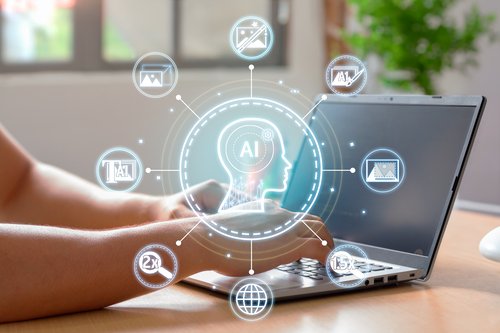
    In recent years, artificial intelligence (AI) tools have gained immense popularity and relevance, particularly for small businesses seeking to enhance their operations. AI tools refer to software applications and technologies that utilize machine learning algorithms and data analysis to automate tasks, generate insights, and optimize processes. These intelligent solutions have evolved significantly, becoming more user-friendly and affordable, making them accessible for small enterprises that may not have extensive technology resources.

    One of the key advantages of AI tools for small businesses is their ability to streamline operations. For instance, AI-driven customer relationship management (CRM) systems can analyze customer interactions, helping organizations understand behaviors and preferences to tailor services better. Additionally, AI-powered chatbots can handle customer inquiries efficiently, ensuring that businesses provide timely responses without straining their workforce.

    The integration of AI tools can substantially improve productivity as these technologies automate repetitive tasks. By leveraging automation, small businesses can free up valuable human resources, enabling employees to focus on more strategic activities that drive growth and innovation. Moreover, AI tools can provide data-driven insights that help in making informed decisions quickly, thus enhancing business agility.

    Furthermore, the cost-effectiveness of many AI tools has become a game changer for small business owners. With various cloud-based solutions available on a subscription basis, companies can access sophisticated technologies without the need for significant upfront investments. This democratization of advanced tech has empowered small businesses, allowing them to compete on a level playing field with larger corporations.

    In conclusion, AI tools present a significant opportunity for small businesses looking to enhance efficiency and operational effectiveness. Their evolution towards greater accessibility and affordability represents a powerful catalyst for transformation in the small business landscape.

    Types of AI Tools and Their Applications

    Artificial intelligence (AI) tools have become indispensable for small businesses, enhancing efficiency and enabling smarter decision-making. Various types of AI tools are available, each serving distinct functions that cater to enhancing business processes.

    One significant category is chatbots, which provide 24/7 customer service through instant messaging platforms on a business’s website or social media channels. By automating responses to common inquiries, chatbots free up human resources for more complex tasks. For instance, a small e-commerce store implemented a chatbot that successfully handled over 70% of customer inquiries, leading to improved customer satisfaction and reduced operational costs.

    Email marketing automation is another essential AI tool that helps small businesses manage and execute effective marketing campaigns. AI algorithms can analyze customer behavior and segment audiences based on their preferences, delivering personalized email content at optimal times. A local bakery utilized email marketing automation to target regular customers with customized pastry offers during holiday seasons, resulting in a significant increase in sales during peak times.

    Data analytics tools are crucial for small businesses aiming to make data-driven decisions. By utilizing advanced algorithms, these tools can sift through vast amounts of data to uncover trends, customer insights, and actionable strategies. A neighborhood fitness studio employed data analytics to identify peak attendance times and popular classes, allowing them to optimize their schedule and improve resource allocation.

    Lastly, customer relationship management (CRM) systems streamline interactions with customers and manage business relationships. These systems collect and analyze customer data to ensure personalized communication and targeting. A small accounting firm successfully adopted a CRM system that improved client follow-up efficiency, ultimately resulting in a higher client retention rate. By leveraging these AI tools, small businesses can significantly enhance their operations and customer engagements.

    Implementing AI Tools in Your Business Strategy

    Integrating AI tools into a small business’s operations requires a strategic approach, as the success of AI adoption significantly hinges on understanding business needs. The first step involves assessing the current processes and identifying areas where AI can enhance efficiency or add value. These might include automating routine tasks, improving customer service through chatbots, or leveraging data analytics for better decision-making.

    Once the business needs are clearly defined, the next phase is selecting the right AI tools that align with those requirements. It is crucial to evaluate available options meticulously; this includes understanding the features, scalability, compatibility with existing software, and costs involved. Small businesses might consider tools that offer flexible pricing models to accommodate budget constraints while providing essential functionalities.

    After selecting appropriate AI solutions, training employees becomes paramount. A well-structured training program can help the staff understand the technologies and promote a culture of innovation within the organization. This training should not only focus on how to use the tools but also on the underlying principles of AI, helping employees appreciate the value these technologies provide.

    Measuring the effectiveness of the implemented AI tools is essential for continual improvement. Small businesses should establish clear performance metrics and KPIs tailored to the specific AI solutions introduced. Regular evaluation allows businesses to track progress, identify challenges, and make necessary adjustments to enhance productivity.

    Lastly, ensuring a smooth transition involves addressing potential resistance from employees by communicating the benefits of AI adoption. Encouraging feedback and fostering an inclusive atmosphere where employees feel a part of the change can significantly ease the transition and maximize the advantages of AI tools in business operations.

    Challenges and Future of AI in Small Businesses

    As small businesses increasingly look towards AI tools to enhance their operations, several challenges may arise during the adoption process. The initial cost of implementing AI technology can be a significant barrier, particularly for small enterprises that often operate on tight budgets. While many AI solutions promise to automate processes and improve efficiency, the upfront investment in software, hardware, and training can deter small business owners. Moreover, the learning curve associated with these advanced technologies can be steep. Employees may require extensive training to effectively utilize AI tools, resulting in temporary disruption to daily operations and productivity. The reluctance to adapt to new technologies can stem from both a lack of familiarity and a fear of the unknown, meaning that some businesses might hesitate to dive into the AI sphere.

    Another crucial concern revolves around data privacy and security. Small businesses often handle sensitive customer information, and the incorporation of AI tools can introduce complexities surrounding data management. The risk of breaches or misuse of data can raise legitimate concerns among customers, which can erode their trust in the business. Implementing proper data protection measures is imperative; thus, small businesses must balance the benefits of AI with the risks associated with data privacy.

    Looking ahead, the landscape of AI technology continues to evolve rapidly. Small businesses can stay competitive by embracing innovation, exploring options like cloud-based AI solutions that reduce costs and provide flexibility. Future trends suggest that developments in natural language processing, machine learning, and predictive analytics will further streamline operations and enable data-driven decision-making. As these technologies become more accessible, small businesses that adapt and integrate AI strategically will find themselves well-positioned to thrive in a competitive market.

  • The Rise of Smart Appliances

    The Rise of Smart Appliances

    Introduction to Smart Appliances

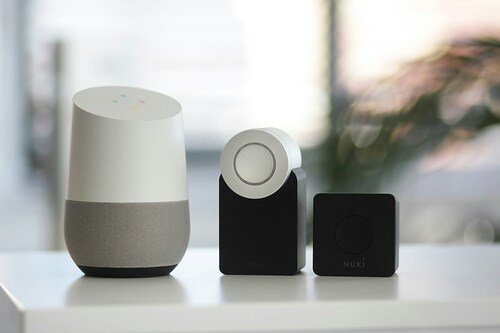
    Smart appliances represent a significant evolution in home technology, serving to enhance convenience, efficiency, and the overall user experience. These devices incorporate advanced technology, allowing them to connect to the internet and interact with other smart devices, providing unique functionalities that traditional appliances cannot offer. Unlike standard home appliances which operate independently, smart appliances are designed to communicate with users and their environment, offering tailored solutions to everyday tasks.

    At the core of smart appliances lies robust connectivity features. Most devices utilize Wi-Fi technology to keep communication channels open, enabling remote monitoring and control through smartphones or smart home hubs. This connectivity allows users to access various settings, receive alerts, and even troubleshoot issues without needing to be physically present. Furthermore, many smart appliances are equipped with sensors that enhance their operational capabilities, such as temperature sensors in smart ovens or moisture sensors in smart washing machines. These systems provide real-time data, improving energy efficiency and performance.

    A distinguishing factor of smart appliances is their incorporation of artificial intelligence (AI). This technology allows devices to learn user preferences and adapt their functionalities accordingly, leading to more personalized experiences. For instance, a smart refrigerator may track food inventory and suggest recipes based on current contents, minimizing waste and enhancing meal planning efficiency. As more households integrate technology into their daily routines, the demand for smart appliances continues to grow, marking a shift in how appliances are perceived and utilized within contemporary homes. Overall, smart appliances stand out not only for their advanced features but also for their potential to contribute to a smarter, more efficient lifestyle.

    Benefits of Smart Appliances

    Smart appliances have gained significant traction in modern households due to their numerous advantages, greatly enhancing daily living. One of the foremost benefits is increased energy efficiency. These devices are designed to optimize energy use, often adjusting their operation based on real-time consumption data. For instance, smart refrigerators can actively monitor and adjust their temperatures based on internal load and external conditions, leading to substantial energy savings.

    Another key advantage is convenience. Smart appliances allow users to control and monitor their home devices remotely through smartphones or tablets. This capability enables users to operate their laundry machines, ovens, or lighting systems from anywhere, ensuring tasks can be managed efficiently. Research indicates that 75% of users find the ease of remote monitoring and scheduling significantly enhances their daily routines.

    Enhanced safety is also a noteworthy benefit of smart appliances. Many of these devices come equipped with advanced security features and sensors that alert owners to potential issues. For example, smart smoke detectors and security cameras provide real-time notifications, integrating seamlessly with mobile devices to ensure that users remain informed about their home environment at all times.

    Cost savings represent yet another compelling reason to adopt smart appliances. By reducing energy consumption and providing insights into usage patterns, homeowners can make informed decisions that lead to reduced utility bills. Surveys suggest that households using smart appliances can save up to 30% on energy costs annually. Furthermore, the longevity of these devices is often enhanced through predictive maintenance features, which can increase their operational lifespan significantly.

    In summary, the rise of smart appliances offers a multitude of benefits, including enhanced energy efficiency, convenience, improved safety, and substantial cost savings, all contributing to a more sustainable lifestyle and better home management.

    Challenges and Considerations

    The integration of smart appliances into our daily lives presents numerous challenges and considerations that must be addressed before committing to this innovative technology. One of the primary concerns relates to privacy. Smart appliances, by their very nature, are connected to the internet, which raises questions about the data they collect and how it is used. Personal information may be transmitted to manufacturers or third parties, often without users fully understanding the implications of such data sharing. This situation necessitates careful scrutiny of privacy policies associated with these devices.

    Another significant concern is data security. With smart appliances connected to home networks, the potential for cybersecurity threats increases, making homes vulnerable to hackers. Consumers must be aware of the security protocols in place and consider the implications of a compromised device, which could potentially breach their personal and financial information. Regular software updates and the capability to quickly address security vulnerabilities are critical for ensuring the safety of smart appliances.

    Moreover, compatibility issues may arise for consumers who already own various smart devices. Not all appliances are created equal, and ensuring they can work cohesively within an existing ecosystem can be challenging. It is essential for consumers to research device compatibility with their home automation systems, as incompatibility may lead to frustration and increased costs for additional adapters or new systems.

    Finally, the initial investment of smart appliances can be relatively high compared to traditional options. While the long-term savings on energy bills and the convenience offered by these devices can be attractive, potential buyers must weigh these benefits against the upfront costs. Understanding consumer attitudes towards smart technology also plays a crucial role in adoption; purchasers often seek assurance that they will receive ongoing support and updates for their devices to maximize their longevity and functionality.

    The Future of Smart Appliances

    The future of smart appliances is poised to be transformative, driven by advancements in technology and evolving consumer needs. As we continue to integrate these devices into our daily lives, the trend of connecting smart appliances with broader smart home ecosystems is becoming increasingly prevalent. This integration not only enhances user convenience but also fosters greater energy efficiency and security. For instance, smart refrigerators can communicate with smart thermostats to optimize energy consumption based on usage patterns.

    Greater automation will also play a crucial role in the evolution of smart appliances. Innovations such as automated cooking or laundry systems that adapt to the user’s schedule will redefine convenience in the home. This level of automation is underpinned by improvements in artificial intelligence (AI), allowing appliances to learn from user behaviors and preferences. Over time, these appliances will offer personalized recommendations and tailored functionalities that cater to individual lifestyles, thereby enhancing the overall user experience.

    As smart appliances continue to evolve, they are likely to embrace emerging technologies such as the Internet of Things (IoT) and blockchain, which can provide enhanced security and data privacy. These advancements could allow for real-time monitoring and seamless interoperability between varied devices, ensuring that consumers have a cohesive and efficient smart home experience. Innovations in energy-efficient technology will also play a crucial role in meeting the increasing demand for sustainable living, aligning products with global sustainability goals.

    In summary, the future landscape of smart appliances is one of interconnected, highly automated systems that prioritize user experience and sustainability. As these technologies become more sophisticated, they will not only adapt to changing consumer habits but also anticipate needs, marking a significant leap towards intelligent living.