







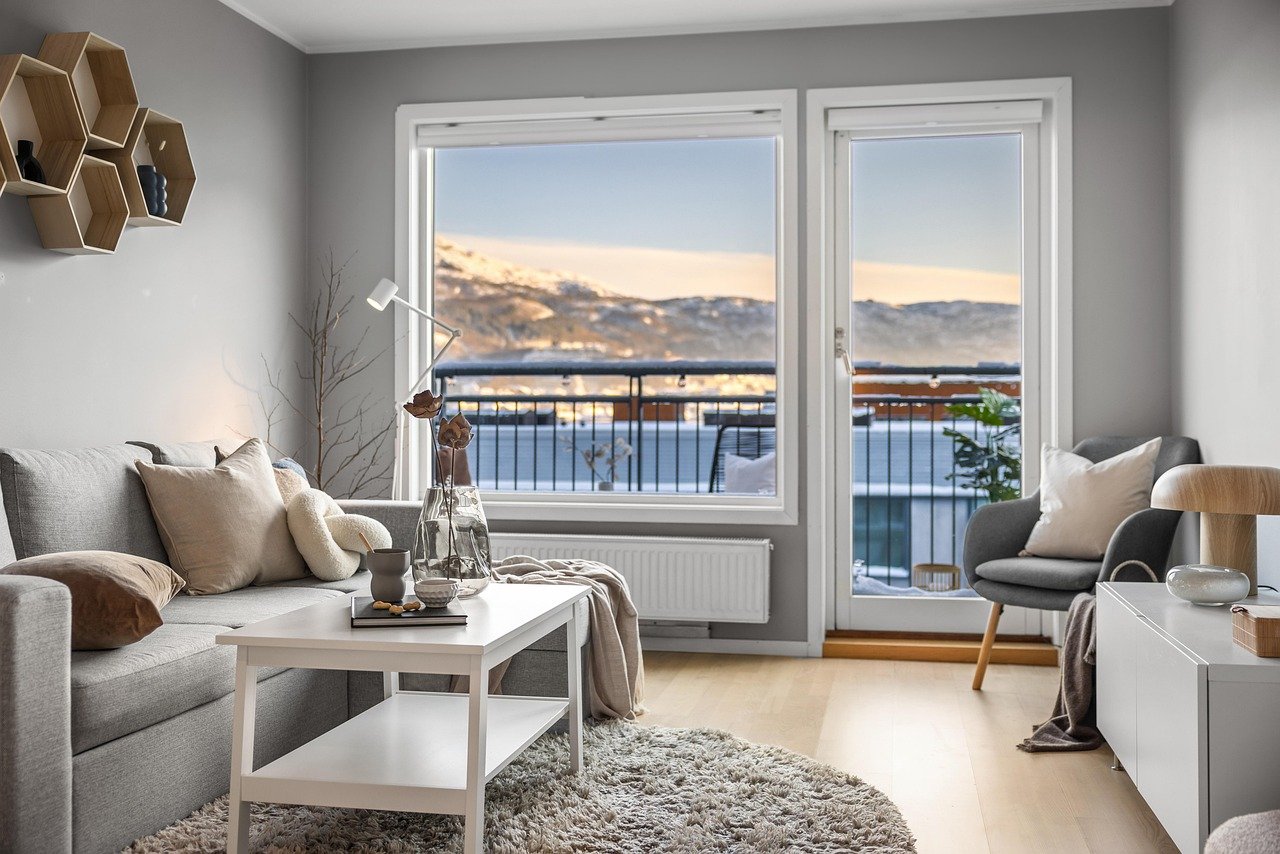
Understanding the Importance of a Relaxing Bedroom
A relaxing bedroom plays a pivotal role in enhancing both mental and physical well-being. It serves as a personal sanctuary, aiding individuals in unwinding from daily stresses and promoting restful sleep. Research has consistently shown that stress reduction is intricately linked to improved sleep quality, which in turn affects overall health. The environment we create in our bedrooms significantly impacts our ability to relax and recharge.
Numerous studies have identified that a well-designed bedroom can lead to remarkable improvements in mood and sleep patterns. Factors such as color choice, lighting, and furniture arrangement are crucial in establishing a tranquil atmosphere. For instance, soft pastel colors often evoke feelings of calmness, while adequate and adjustable lighting options can create a soothing environment conducive to winding down. Placing furniture in a manner that promotes easy movement and comfort can also enhance the sense of space and relaxation.
Furthermore, a relaxing bedroom contributes to physiological benefits. High-quality sleep is essential for numerous bodily functions, including cognitive performance, emotional balance, and immune system efficiency. When individuals are well-rested, they are better equipped to handle stressors during the day, creating a positive feedback loop that further enhances mental well-being. Therefore, the design and ambiance of a bedroom are not merely aesthetic but fundamental aspects of one’s health and lifestyle.
In essence, a relaxed state begins within the confines of a well-designed bedroom. By recognizing the importance of this space, individuals can make informed decisions that help foster a peaceful and restorative environment. Investing time and thought into bedroom design can yield profound benefits, making it a vital component of overall health and wellness.
Elements of a Relaxing Bedroom Design
Creating a relaxing bedroom involves a carefully curated collection of elements that work harmoniously to foster an atmosphere of calm and serenity. The choice of color schemes plays a pivotal role in this ambiance. Soft, muted tones such as pastels, earthy colors, and gentle neutrals can evoke a sense of peace. Conversely, vibrant colors may induce stress and distractions. It is advisable to select a palette that resonates with tranquility and complements personal tastes while enhancing the overall spaciousness of the room.
Furniture selection should also align with the desired aesthetic of relaxation. Opting for streamlined, minimally designed pieces contributes to a clutter-free space that promotes a sense of ease. Soft furnishings, such as upholstered headboards and plush bedding, help create warmth and comfort. Additionally, the layout of the bedroom is imperative; ensuring there is ample space for easy movement can alleviate feelings of confinement. This includes positioning the bed in a way that allows for visibility of the room’s entry, enhancing a sense of security.
Natural materials are essential in any relaxing bedroom design. Incorporating wood, cotton, and linen can improve not only the visual appeal but also the tactile experience of the space. These materials contribute to a connection with nature, which supports relaxation. Furthermore, integrating soft textures through cushions, throws, and rugs can enhance comfort. Lighting is a crucial aspect of the overall atmosphere; employing soft lighting fixtures, like dimmable lamps or fairy lights, can create a warm glow that soothes the senses. Blackout curtains are also a key addition, providing an effective way to ensure a restful environment by reducing outside distractions and promoting a profound sleep experience.
Creative Ideas for Enhancing Relaxation
Creating a relaxing bedroom involves an interplay of aesthetics, comfort, and sensory experiences. One effective approach is to incorporate plants into the décor, as they naturally purify the air and instill a sense of tranquility. Consider adding low-maintenance varieties like snake plants or peace lilies, which thrive in indoor environments while bringing a touch of nature indoors.
Artwork also plays a significant role in establishing a calm ambiance. Choose pieces that evoke feelings of peace or connection to nature, such as landscapes, soft abstract art, or calming scenes. Arrange these art pieces strategically around the room to create focal points, enhancing the overall relaxing aesthetic.
Aromatherapy is another powerful tool to promote relaxation. Utilizing essential oils or scented candles can transform the atmosphere of the bedroom. Scents like lavender, chamomile, and sandalwood are known for their calming properties. A diffuser can disperse these aromas throughout the room, or scented candles can be lit during evening routines to create a soothing environment.
Furthermore, creating cozy nooks within the bedroom can provide dedicated spaces for relaxation. Consider adding a comfortable chair or a small reading corner equipped with soft cushions and a throw blanket. This designated area invites activities such as reading or meditating, reinforcing the room’s relaxing purpose.
Finally, sound can enhance the relaxation experience significantly. Integrating gentle soundscapes or soothing music can foster tranquility and help mask any disruptive noises from outside. Consider setting up a small speaker or using a sound machine that plays calming sounds like gentle rain or ocean waves. This auditory element enriches the overall relaxing atmosphere and encourages a sense of peace within the space.
Maintaining Your Relaxing Bedroom Space
To ensure that your bedroom remains a sanctuary of tranquility, it is essential to establish a consistent routine for maintaining your relaxing bedroom space. One of the primary strategies for achieving a peaceful environment is decluttering. Regularly assess the items in your bedroom and remove anything that does not contribute to a serene atmosphere. This includes outdated decorations, unused furniture, and personal items that create visual clutter. By keeping surfaces clear and minimalistic, you not only enhance the aesthetic of the room but also promote a sense of calm.
In addition to decluttering, implementing a regular cleaning routine is crucial. Dust and dirt can accumulate unnoticed, affecting both the visual appeal and air quality of your sanctuary. Establish a weekly cleaning schedule that involves dusting surfaces, vacuuming or sweeping floors, and changing bed linens. Maintaining a fresh and clean environment greatly contributes to your overall relaxation, making it easier to unwind at the end of the day.
Consider incorporating seasonal updates to your decor and textiles as a way to rejuvenate your relaxing bedroom space. With each new season, swapping out heavier blankets for lighter ones, introducing fresh colors, or even changing artwork can bring about a refreshing change that keeps the environment engaging while still serene. These small updates can significantly impact your perception of the space and maintain your enthusiasm for it.
Finally, take the time to reassess your personal needs and preferences periodically. As life changes, so may your ideal relaxing bedroom environment. Ensure that the space reflects who you are and supports your well-being. Whether it’s adjusting the lighting, changing the arrangement of furniture, or introducing new elements, it’s vital that your bedroom remains a personalized sanctuary that caters to your evolving lifestyle.